Building date: 1836
Original use:
Corner structures:
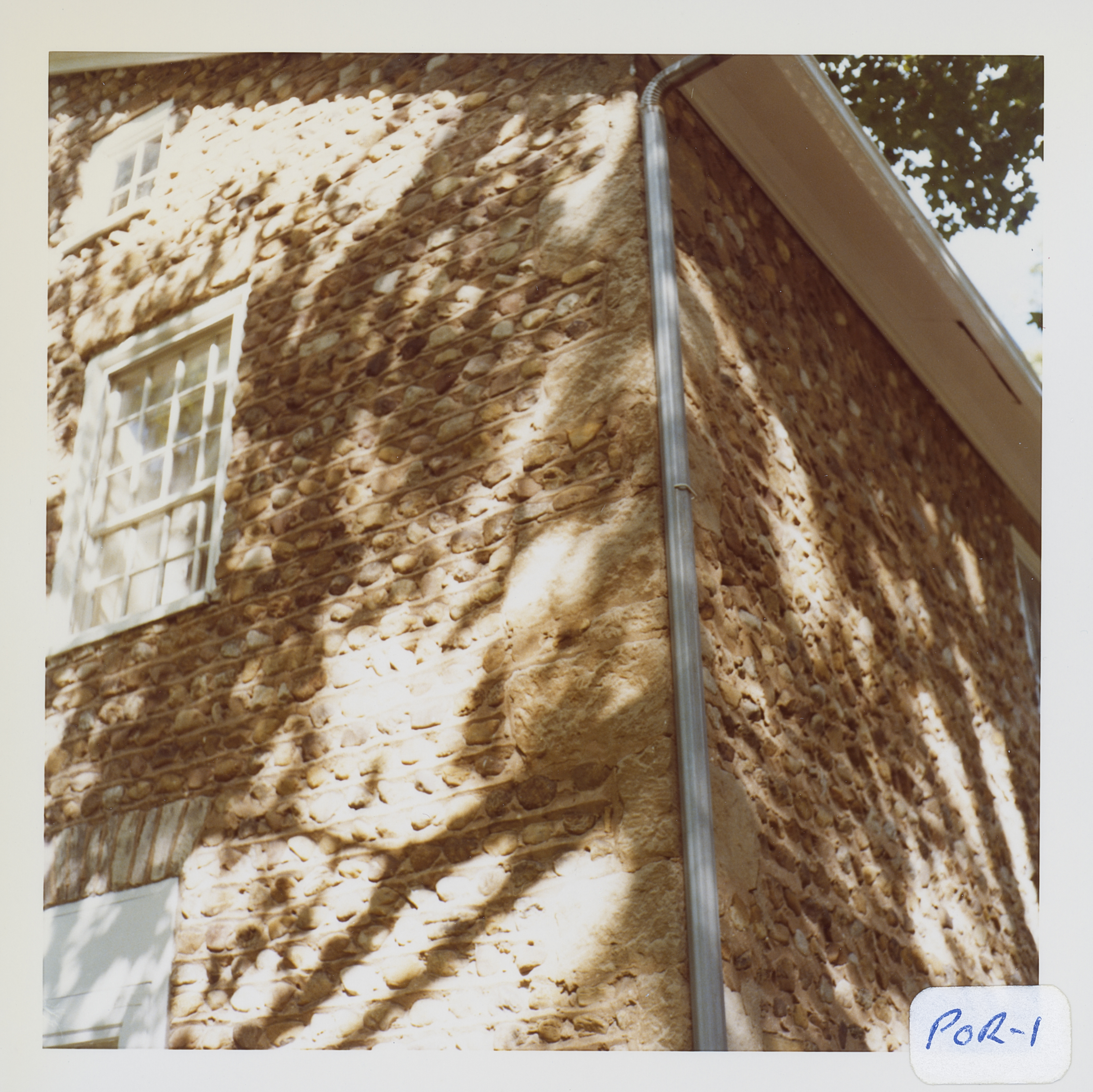
Mortar application and content: Vertical heavy, vertical pyramids
Types and uses of stones: Irregular rough
Types and choice of windows:
Structures with similar masonry details:
Masons who worked on building:
Unique features:
Map views courtesy Google Maps street level view, elevated view. Address is Google Earth confirmed; 43°14'30.36"N 79°03'00.46"W. Current owner of record, Beard as of the 2019 Tax Roll.
Town of Porter and Niagara County Maps
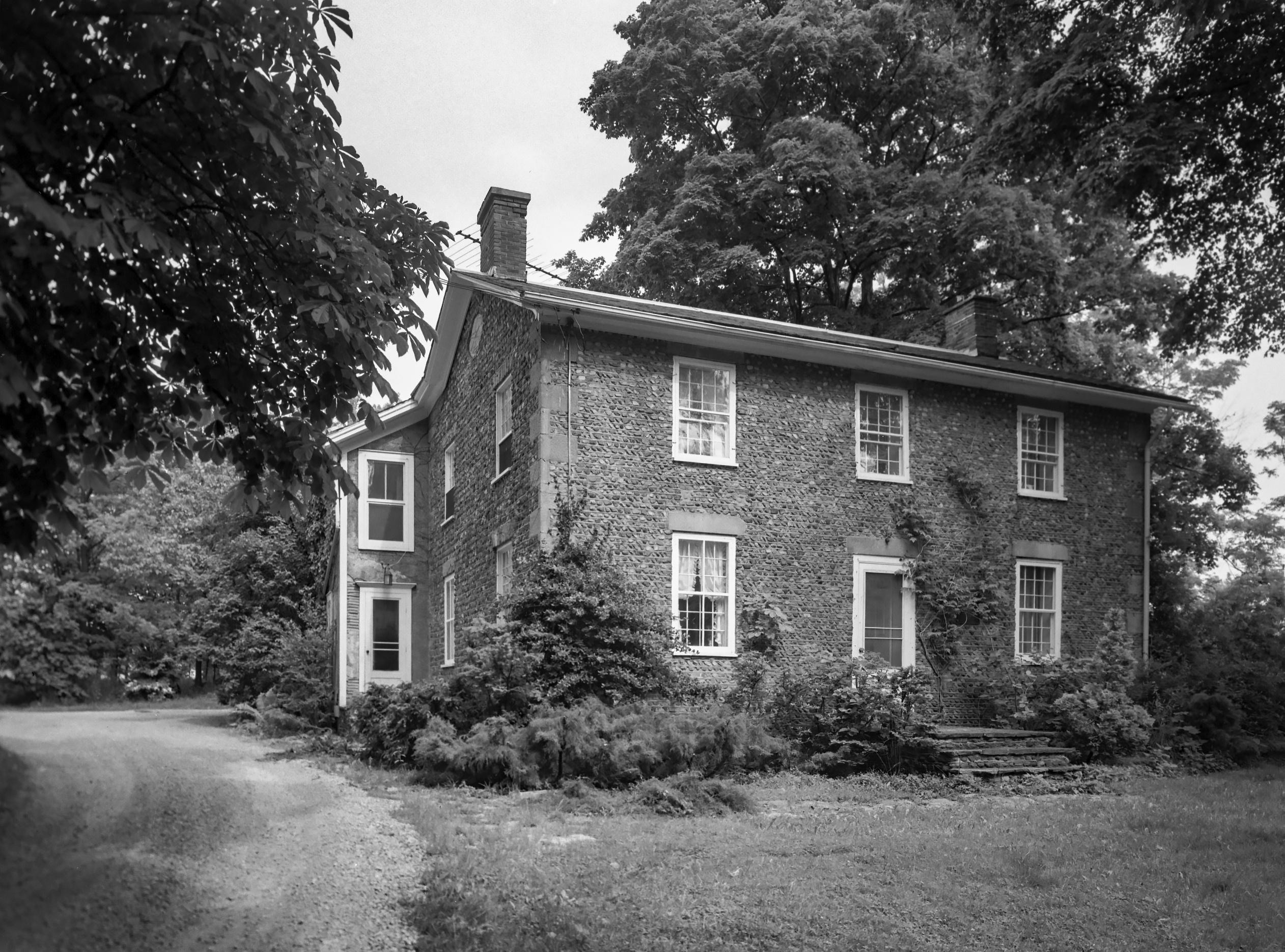
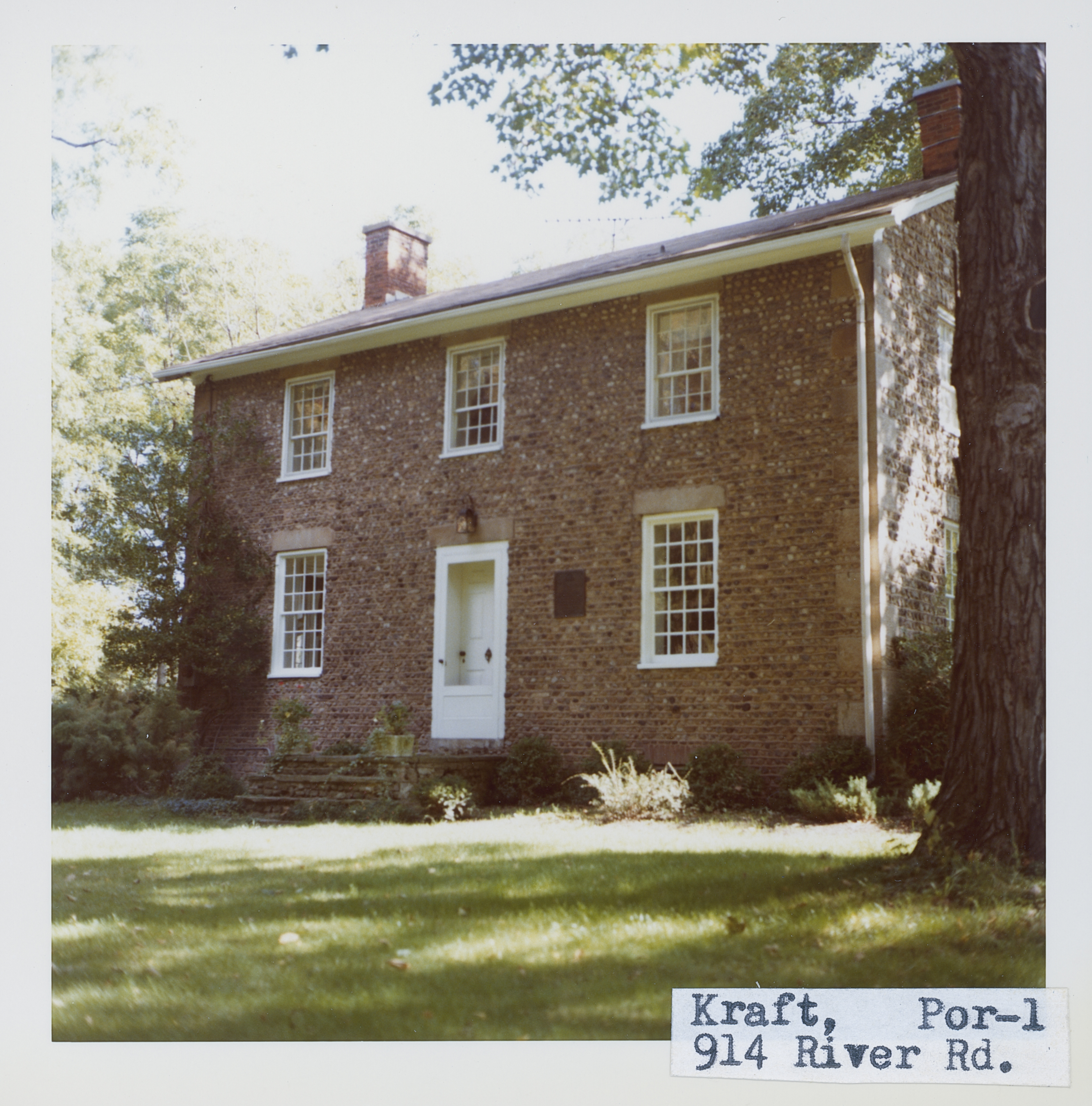
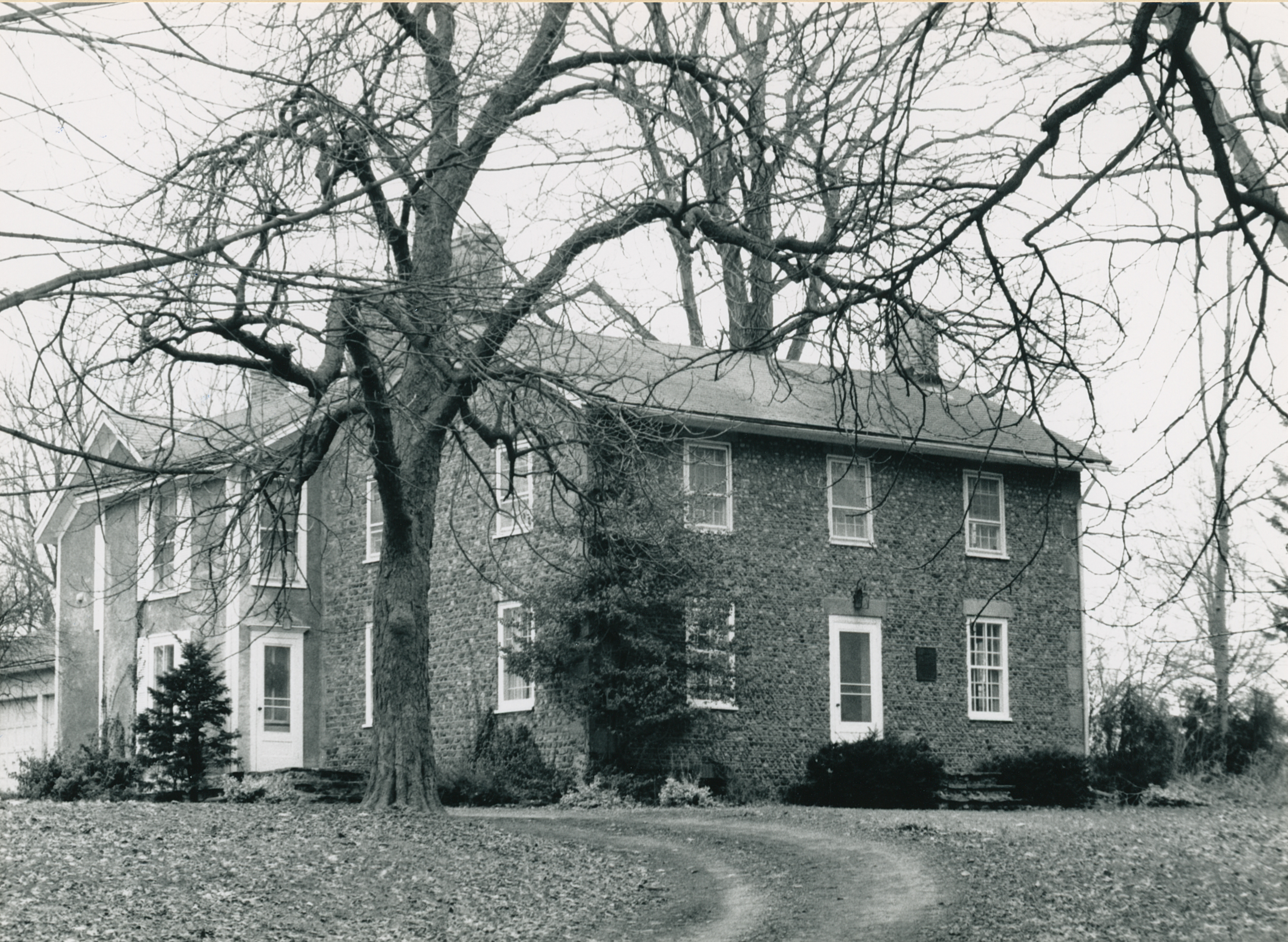
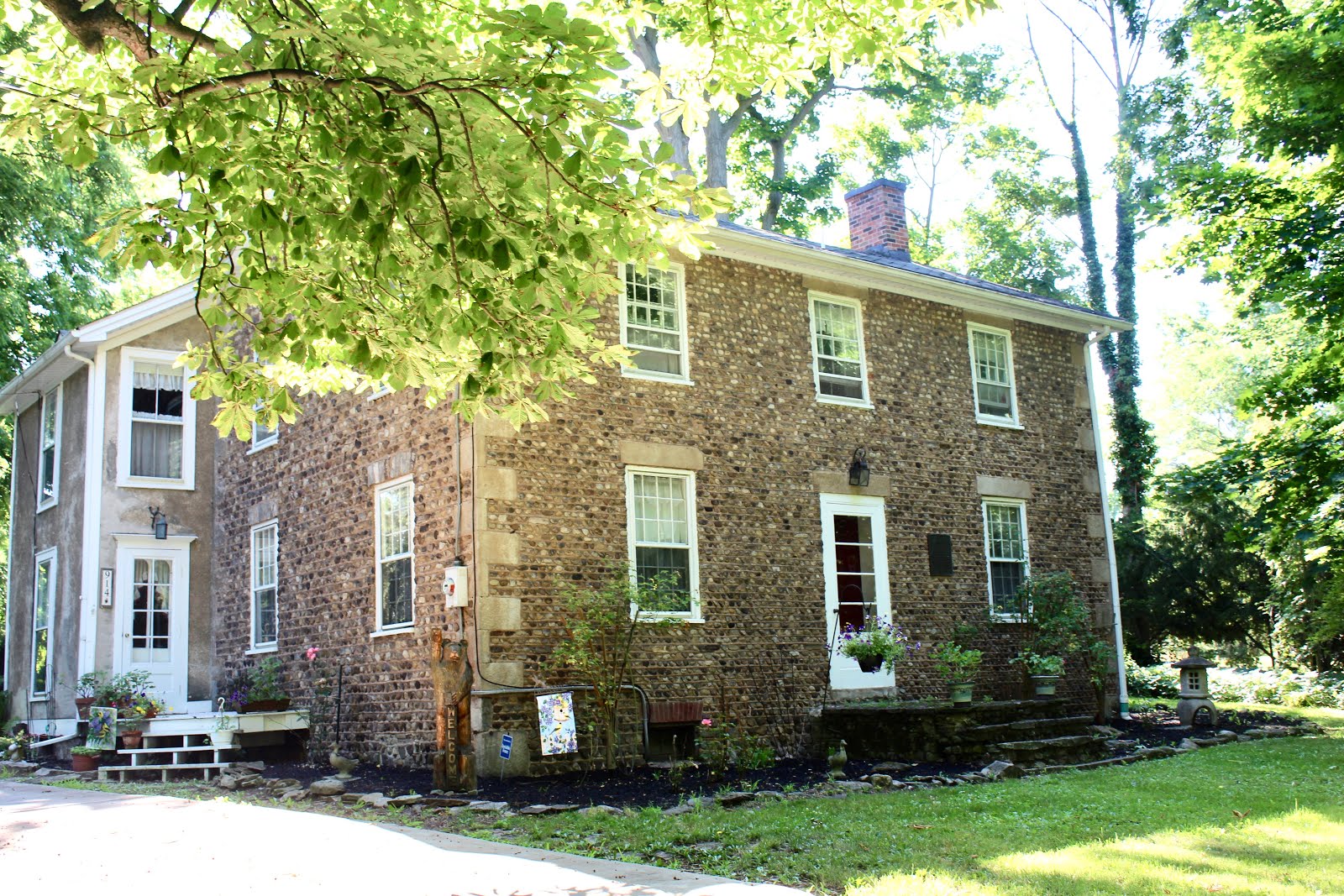
The westernmost cobblestone structure in New York State is the original Isaac Swain home at 914 River Road, Youngstown, nearly overlooking the Niagara River. Swain arrived in Youngstown from England in 1803 and built this house in 1836. Miss Sarah Swaub was the last of her family to live there. Richard Palmer "The Cobblestoner", Summer 2024 Edition, Vol.47 No. 3.
"The Cobblestone Houses of Upstate New York", compiled by Dorothy Wells Pease. Research done in collaboration with Hazel B. Jeffery, supplemented with material furnished by Carl F. Schmidt. Reference paragraph thirteen on page 10.
"Old WNY House - If Only It Could Write History!", By Ellen Taussig, Buffalo Evening News Magazine, Buffalo 5, N.Y. Saturday, August 26, 1961.
Original owner - Isaac Swain, arrived in Youngstown from England in 1803. Miss Sarah Swain, teacher in Lafayette High School was last of her family to own the residence; Subsequent owners - Mr. and Mrs. Warren Perry in 1946; sold to Mr. and Mrs. Hooker circa 1960s; Mr. and Mrs. Edwin Kraft; Mr. and Mrs. Lammerts in 1980. Building near battle site of 1759 "Battle of La Belle Famille". Notation in the Permanent File of Cobblestone Structures attributed to article "Old WNY House - If Only It Could Write History!" above, and notes page 4 of the "Recollections on the Swain Family" below.
"Recollections on the Swain Family", by Jessie Swain Girling, 10/2/1956
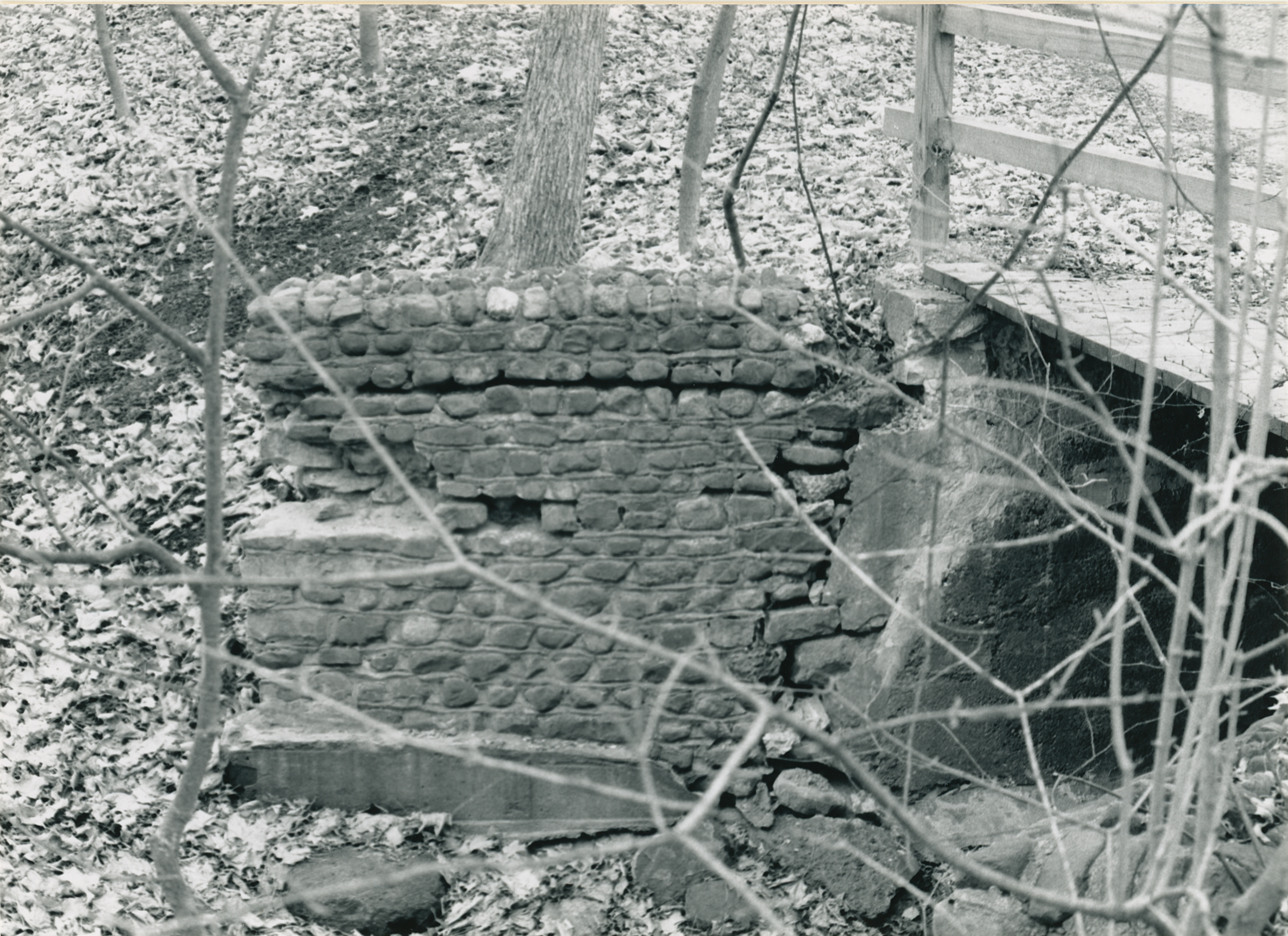
Image courtesy Richard Palmer....to testify that the house is immensely comfortable and gracious. The property itself with its ancient black walnut, maple and chestnut trees is also noteworthy. To enter the property one crosses 'Bloody Run Creek' by a cobblestone bridge. There is also a foot bridge. The site is historical. The Battle of La Belle Famille was fought here in July 1759 - an ambush of the French and Indians by the British and their Indian allies. There is an historical marker in front to mark the site. Many historians claim that as a result of this battle we speak English in this country rather than French. Later, during the War of 1812, the original house was burned by the British when they burned the entire frontier.
Isaac Swain rebuilt the present cobblestone house in 1836, and an addition was built on on the mid 19th century. A excerpt from a letter written to the Cobblestone Museum by former owner Mrs. Elizabeth Lammerts, 10/20/1982.
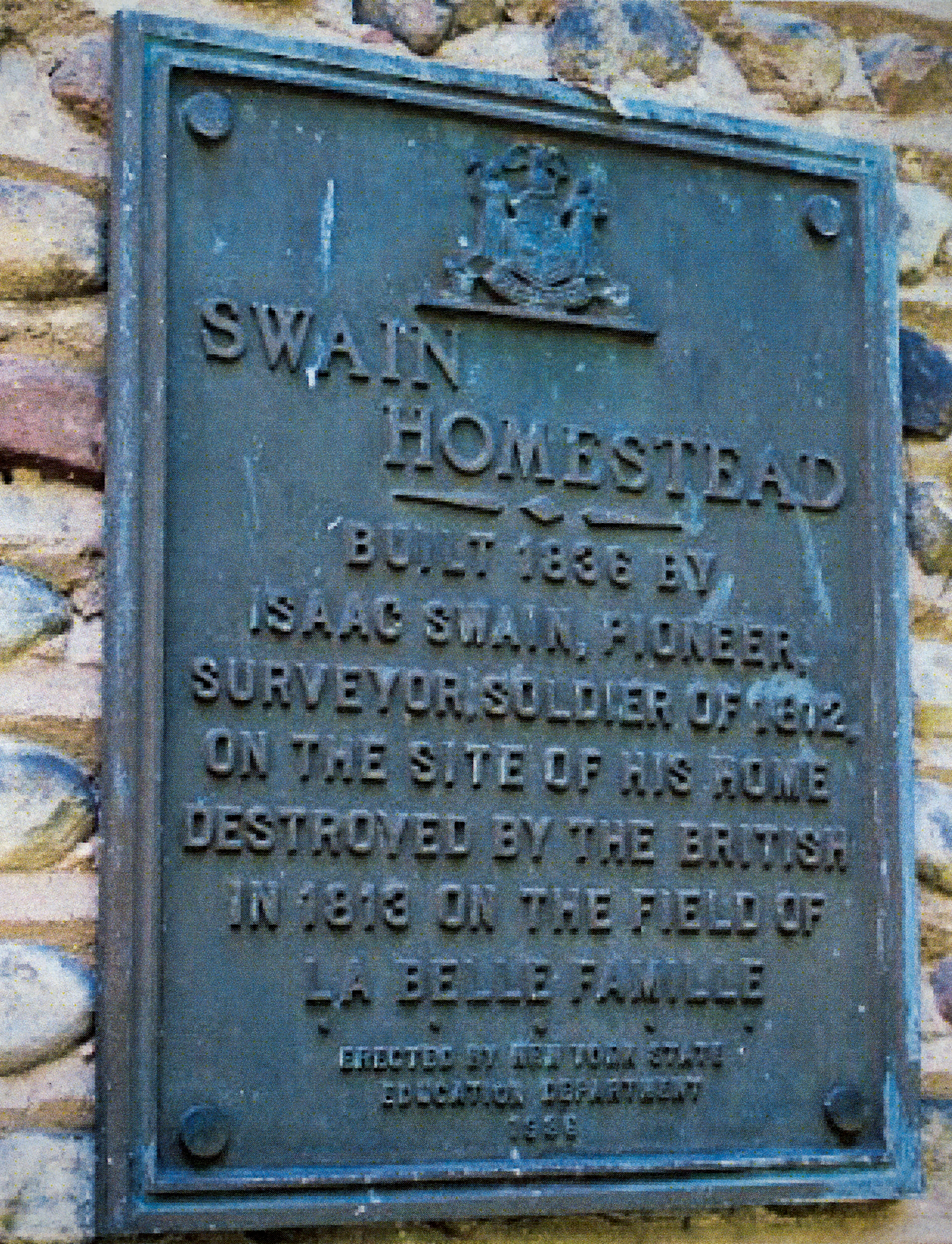
- "Cobblestone Masonry", 1966, Carl Schmidt: Name reference, Swain - Hooker House
- Pages 81 - 82
- "The Era of Cobblestone Architecture", unpublished manuscript 1972. To access the manuscript content about this structure, see 52. Niagara County, Swain-Hooker House. This structure is not included in the subsequent book "Cobblestone Landmarks of New York State", 1978.
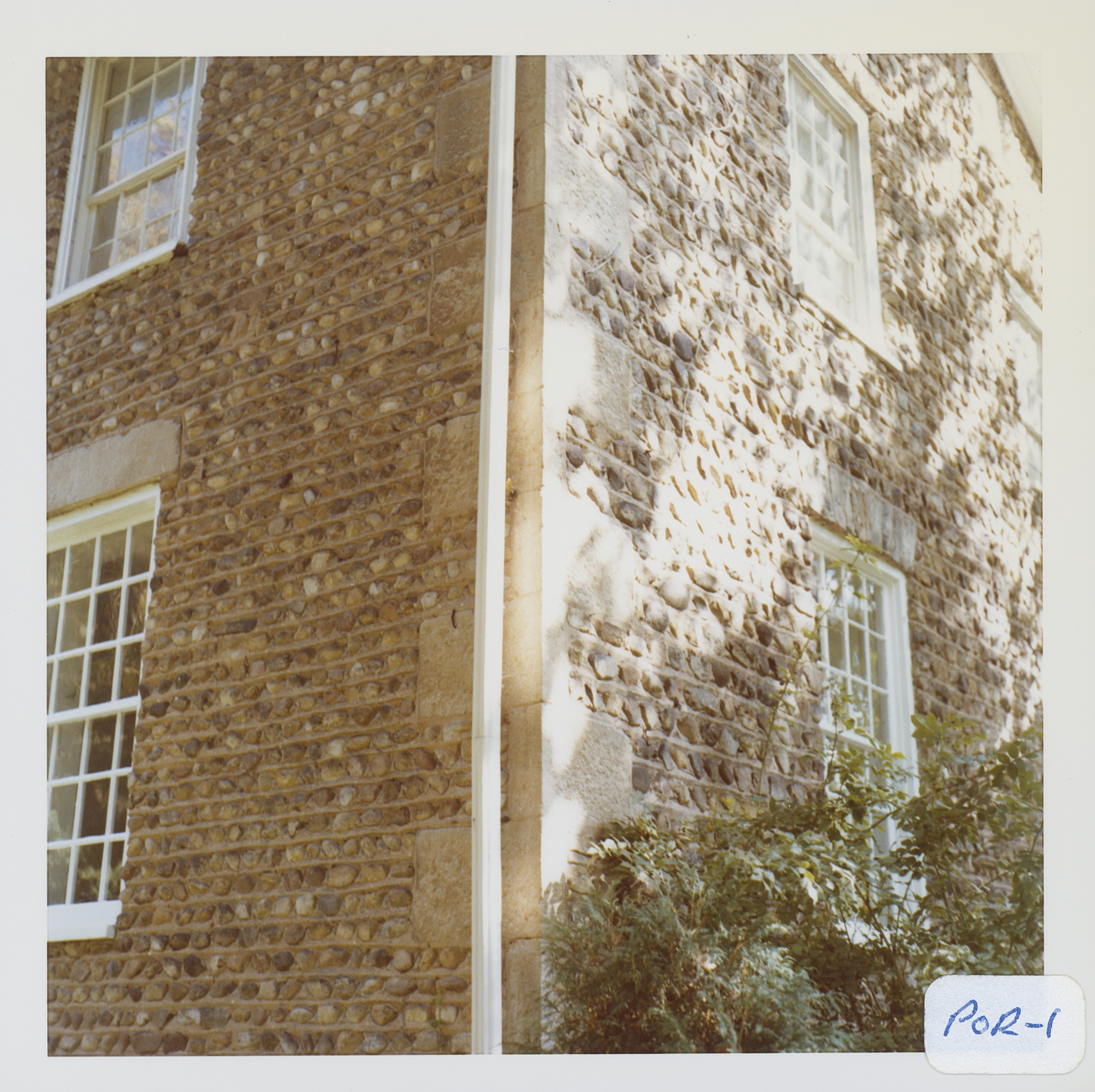
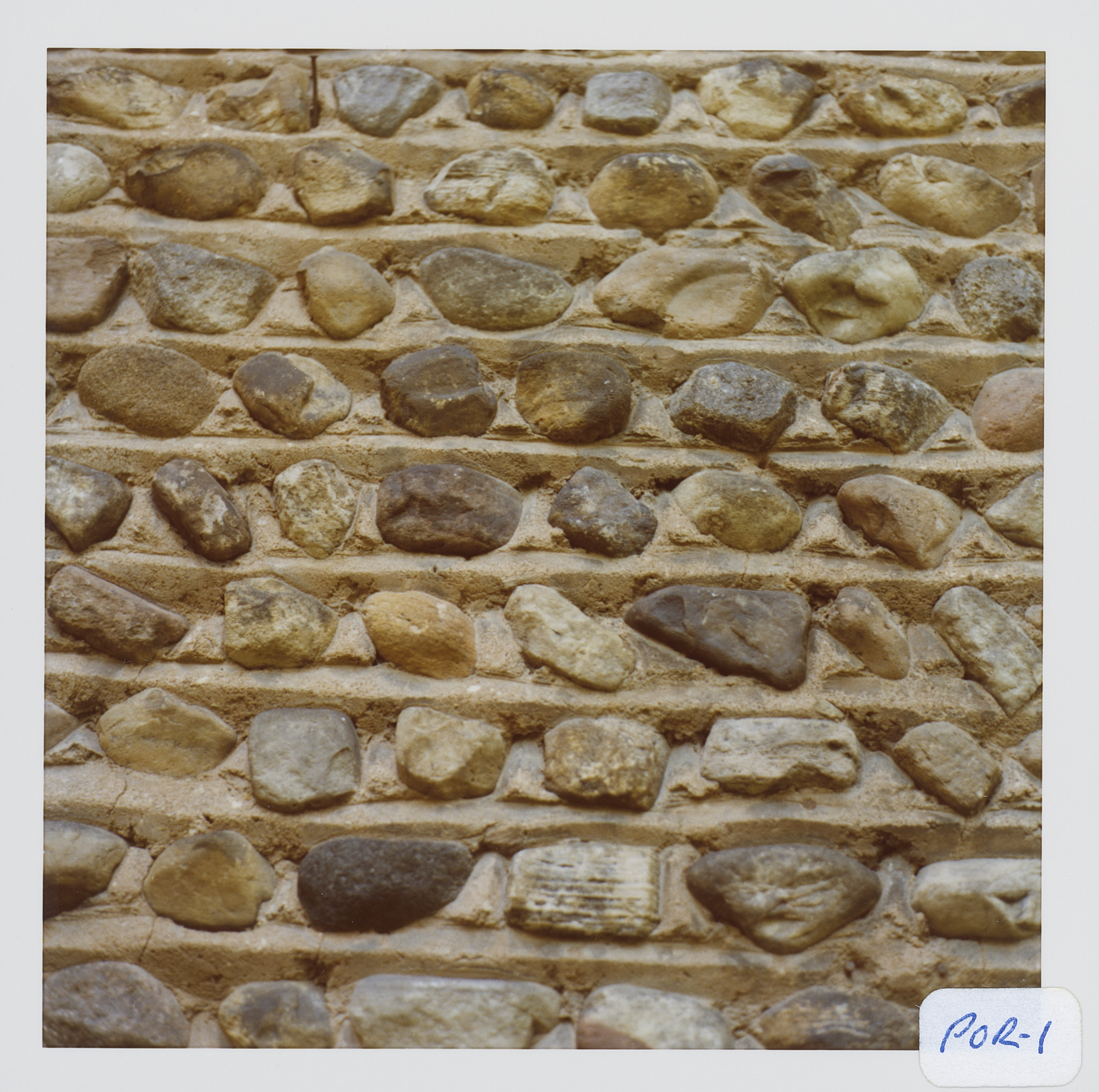
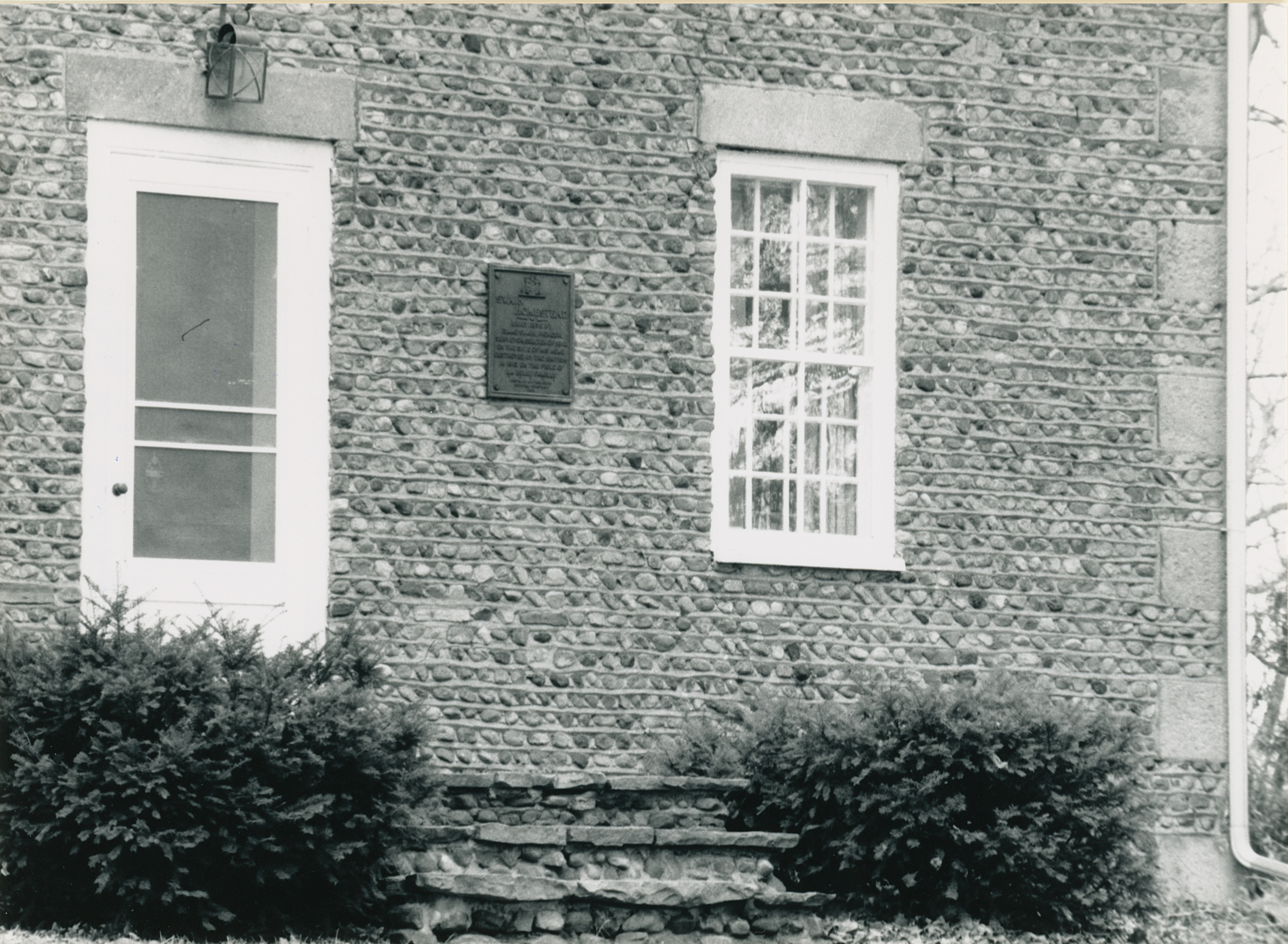
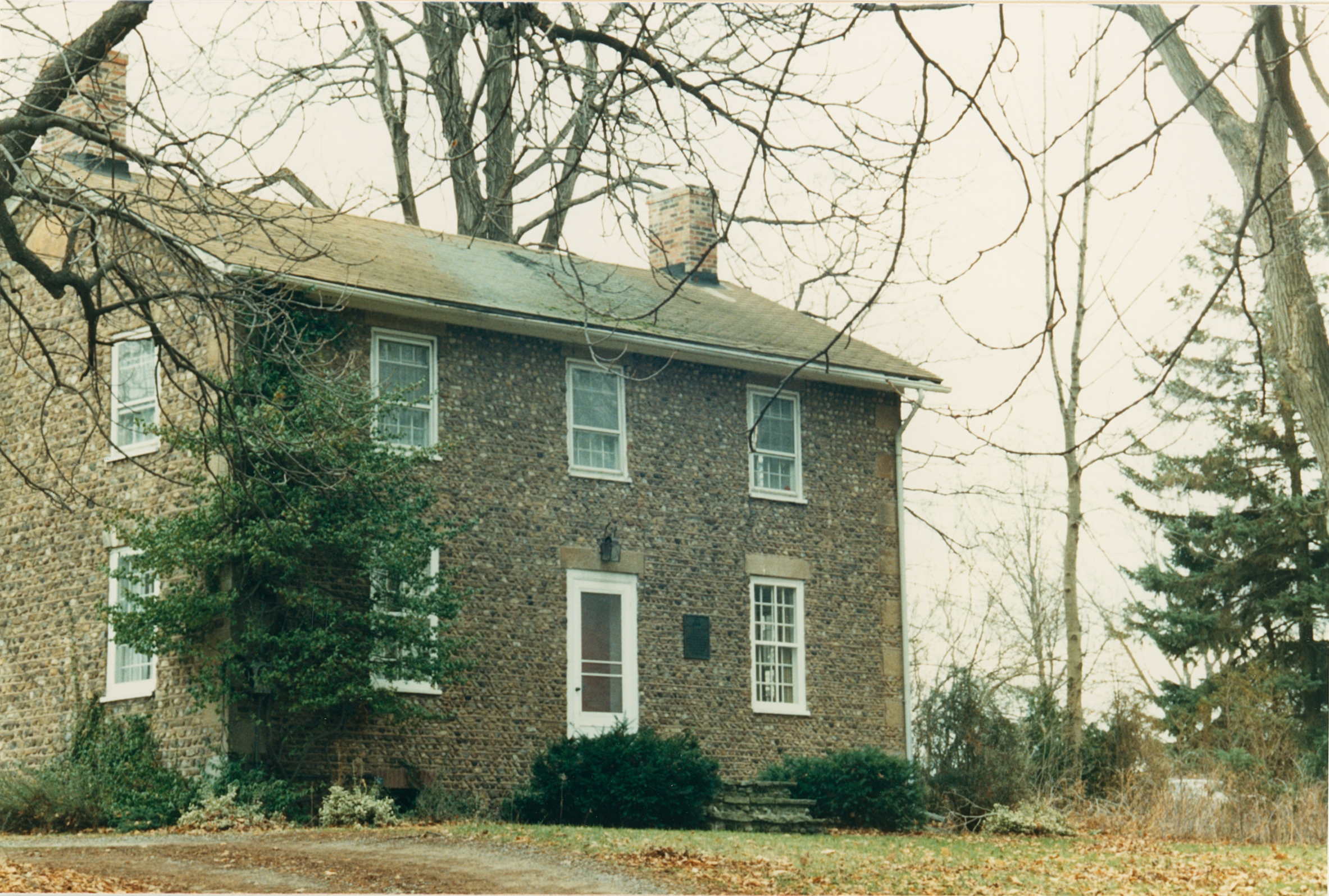
.jpg)
¹ Photography courtesy Gerda Peterich. Cobblestone Museum.
² Photography courtesy Martin and Sheila Wolfish.
³ Photography courtesy Richard Palmer.
